"A single disaster generally does not affect rates in the immediate future."
Kim Conyers of State Farm remarking on the tornadoes that hit North Carolina
"Premiums from several years can pay for one event."
Michael Barry of the Insurance Information Institute on the 2011 tornadoes
There are several insurance rating factors that are largely within your control. Those factors vary between types of insurance but typically include your claim history (fewer is better, loss amounts notwithstanding) and credit score (paying your bills on time and minimizing the total number of credit accounts open are factors here). At the same time, there are a number of factors that have a huge bearing on insurance rates and availability that are outside your control. In the case of homeowner insurance and other types of property insurance, expected weather patterns are factored in to insurance company rate making and underwriting decisions.
The first half of 2011 has been a costly one for many insurance companies in many jurisdictions, especially in Connecticut and the Northeast. It started off with some impressive winter storms. Those storms were followed immediately by devastating spring floods and more recently, by a spate of tornadoes that may not be finished. And now forecasters are predicting an active hurricane season with 16 tropical storms including nine hurricanes, with five expected to be at category 3 or higher. Furthermore, some predictions show a northern trend in hurricanes in the coming years. So it is natural to wonder how all this might affect home owner and property insurance rates. And, as is often the case with insurance, the answer is 'that depends'.
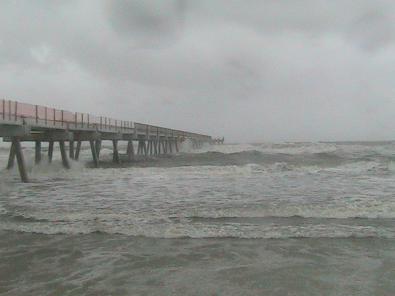
Tropical Storms Spawn Hurricanes, Tornadoes, Heavy Rainfall
and High Winds at the Coast and Inland
As noted by the lead quotes to this post, individual storms - even especially damaging ones - won't have much bearing on future insurance rates. However, when patterns or modeling suggest a higher frequency of dangerous storms in the future than there have been in the past, then insurance companies will attempt to raise rates or limit insurance coverage to account for the increased risk. An example of this is the improved sophistication of hurricane models. Insurance companies have a much better understanding about both the likelihood of hurricanes in specific locations and the likely dollar amount of property damage that might be caused by storms of differing strengths.
Right now, even though the tornado season has been unusually damaging and active, there is nothing inherent in the recent storms that would predict similar tornadic patterns in the future. For that reason, rates in most cases won't be affected by these tornadoes.
Flood damage, on the other hand, has been increasing over a number of years as more development takes place in and near flood plains. However, flood insurance is not included in standard home or commercial property insurance policies. Those rates are set by the National Flood Insurance Program and flood is insured on separate policies.
While not generally prone to hurricanes and tornadoes or the floods seen in the South, Connecticut has seen several tornadoes in the past year, in addition to the countless snow and ice storms that we endured throughout the winter. And while Danbury itself is further inland, Connecticut is a coastal state and is often subject to many of the underwriting restrictions implemented by insurance carriers. Due to the increasingly hazardous patterns, consumers in Connecticut may feel the effects of national trends more than they might think.
If you would like us to review your insurance program and discuss how the 2011 weather might impact your insurance protection and costs, contact us or stop by anytime.